First time in Dubai? Skip the generic advice. This honest 2026 guide covers what to actually do, what to skip, how to dress, how to get around, and how to make every day count.
Dubai is one of the most visited cities on earth and one of the most misunderstood. People arrive expecting either a playground of excess or a restrictive Gulf state where every misstep has consequences. Neither of those is accurate. The reality is more interesting than the reputation and considerably easier to navigate than the anxiety suggests.
This is the guide that gives you the real version. Not a list of the same landmarks every other travel site publishes in the same order. Not a watered-down summary of cultural rules padded with stock photography captions. Just the honest, practical, experience-informed picture of what Dubai is actually like for a first-time visitor in 2026, and how to make the most of whatever time you have there.
Dubai is safe, extraordinarily well-organised, and genuinely worth multiple days of proper exploration. The city rewards planning and punishes passivity. First-time visitors who prepare a loose itinerary, start their mornings in Old Dubai, spend afternoons and evenings in the modern city, and get out to the desert at least once, leave with a version of the place most tourists never reach.
What Dubai Actually Is
Start here because most first-time visitors arrive with a fundamentally incomplete picture.
Dubai is the most populous emirate of the UAE, a federation of seven emirates on the eastern edge of the Arabian Peninsula. It is not a country. It is not all of the UAE. Abu Dhabi, which sits about 140 kilometres southwest, is the actual capital and the UAE's largest emirate by both land area and oil wealth. Dubai's economic model pivoted away from oil decades ago and toward trade, tourism, and financial services. What you see when you land, the towers, the airports, the infrastructure, is the physical result of that pivot executed with extraordinary speed and ambition over roughly thirty years.
Understanding this shapes everything. The Burj Khalifa is not an accident of geography or a quirk of taste. It is a deliberate statement about what one city decided it wanted to become. The gold souk is not a themed heritage attraction. It is a functioning commercial market that predates everything around it by a century. Both of those things are true simultaneously, and holding both at once is what separates a real understanding of Dubai from a surface reading of it.
The Honest Take on the Major Landmarks
The Burj Khalifa
Go. Do not overthink the ticket tier. The standard At the Top Level 124 experience is extraordinary and the price reflects genuine value. Book it for late afternoon between 4 and 5 PM and stay for the fountain show at 6 PM. The fountain is free, it is on the lake directly in front of the tower, and it is one of the most legitimately impressive free experiences in the city.
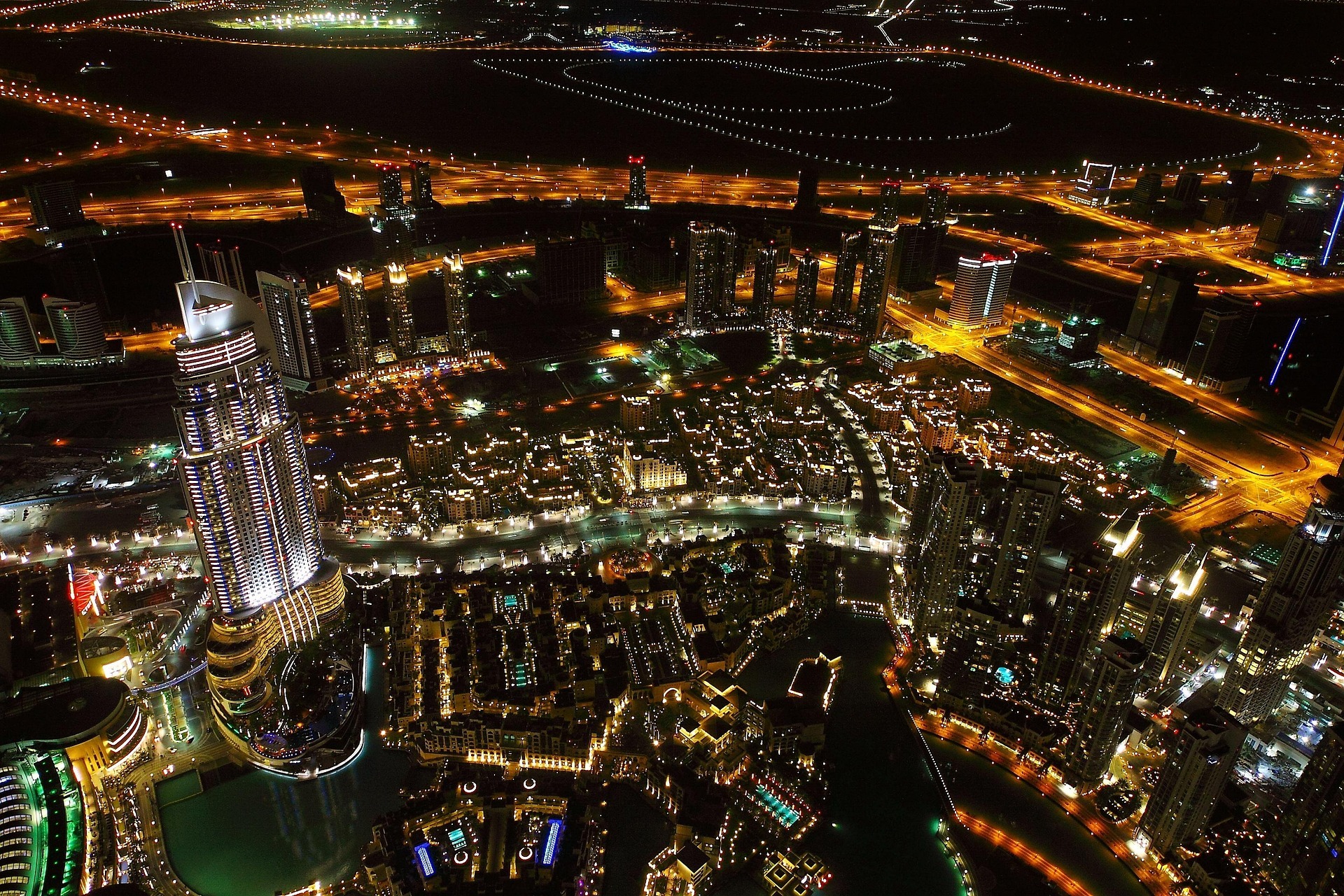
What most guides do not say: allow more time than you think you need at the top. The instinct is to take a few photos and come back down. The reward is in standing there long enough for the scale to actually land. The Hajar Mountains in Oman are visible on a clear day. The full shape of Palm Jumeirah makes sense from up there in a way it never does from the ground. Give it an hour.
The Desert
Non-negotiable. The desert starts about 45 minutes from Downtown and it is a completely different world. An evening safari covers dune bashing, a camel ride, a Bedouin-style camp, dinner, and live entertainment. If you do nothing else outside the city, do this. The desert at sunset, when the dunes turn copper and the shadows stretch long, is the experience most first-time visitors say they remember most vividly.
Old Dubai
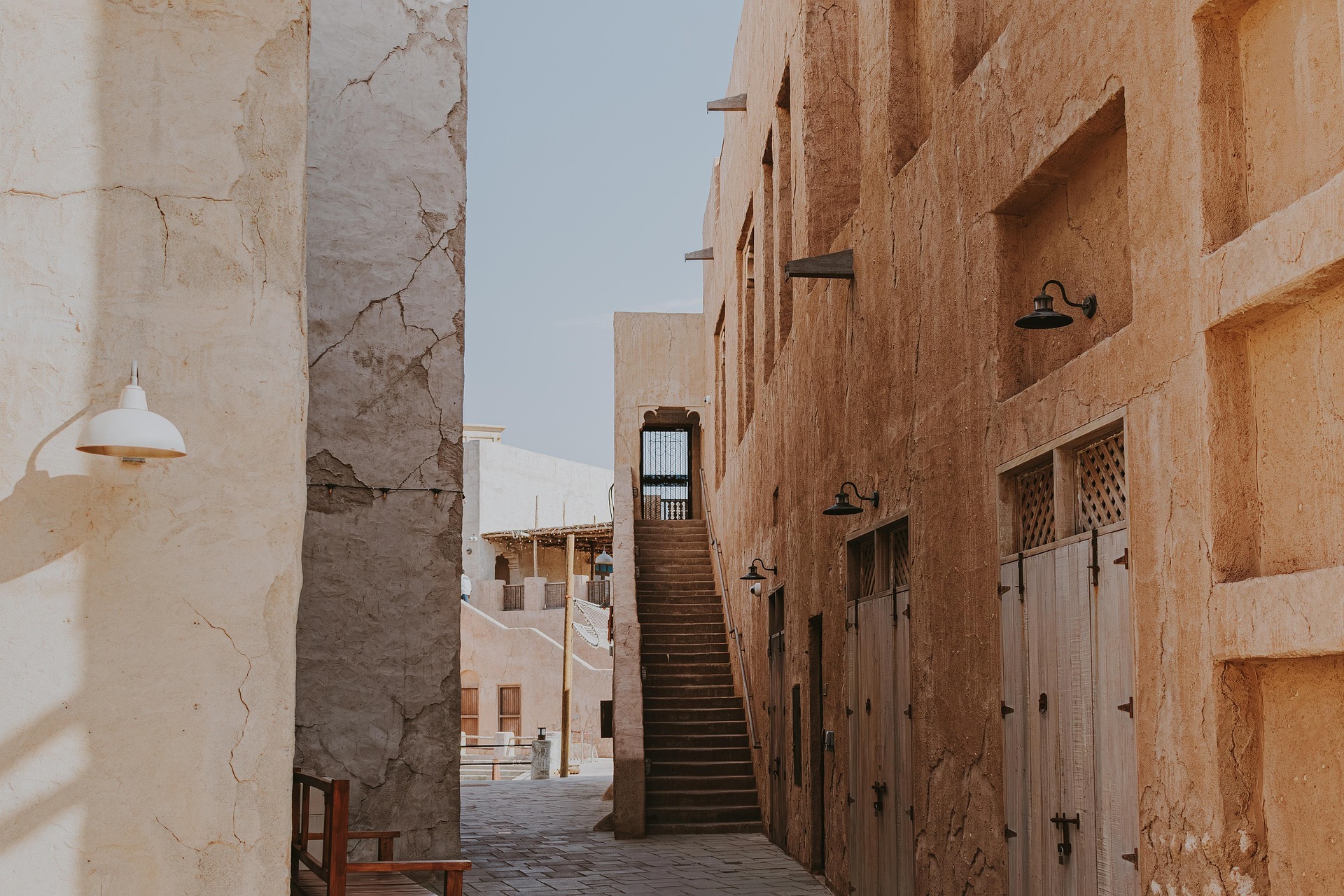
The Creek, the Gold Souk, the Spice Souk, Al Fahidi neighbourhood. Most first-time visitors underallocate time here and regret it. Go in the morning before the heat arrives, take the abra across the Creek for one dirham, and spend at least two hours in the souks. The Gold Souk is a real working market with 10 tons of gold on display. The Spice Souk smells like nothing else on earth. Al Fahidi is the original city, coral and gypsum buildings from the 1800s still standing in the shadow of glass towers. This is where Dubai began and it is still one of the most atmospheric places in the country.
The Malls
Worth a visit, not worth multiple days. Dubai Mall is the largest mall in the world by total area and contains an aquarium, an ice rink, a waterfall, and a direct view of the fountain from its outdoor terrace. Give it two hours. Then leave. The trap is spending day three wandering between retail floors of identical international brands when the desert and the creek and the mountain enclave of Hatta are all within reach.
The Cultural Rules: Simpler Than You Think
The anxiety around Dubai's cultural rules is disproportionate to what they actually require of visitors.
The core principle is contextual modesty. At the beach and the pool, normal international standards apply completely. In malls, tourist areas, and restaurants, standard casual clothing is fine. At mosques and traditional sites, full-length clothing is required and abayas are available to borrow at the entrance if needed. The practical default that covers almost every situation is shoulders and knees covered in shared public spaces outside beach settings.
Alcohol is available at licensed hotel bars and restaurants. Not in public spaces, not in unlicensed venues. The distinction is clear and easy to follow.
Public displays of affection beyond holding hands are not appropriate. Swearing loudly in public spaces, particularly directed at someone, can have consequences that go beyond social awkwardness. Neither of these requires significant adjustment from most visitors.
Ramadan, if your visit falls during it, means no eating or drinking in public during daylight hours out of respect for those fasting. After sunset the city comes alive in a different and genuinely wonderful way. Iftar, the breaking of the fast, is one of the most generous cultural traditions the UAE practices.
That is genuinely most of it.
Getting Around
Dubai has a metro system that is clean, efficient, air-conditioned, and far more useful than most first-time visitors expect. The Red Line runs from the airport through Downtown and on to the Marina. The Green Line covers Deira and the Creek area. For the two most visited parts of the city, the metro covers a lot of ground cheaply.
For everything else, Careem and Uber both operate reliably throughout the city. Pricing is transparent, drivers are professional, and the app experience is identical to what you use at home. Taxis hailed from the street are also metered and reliable.
Renting a car is straightforward if you are comfortable driving in an unfamiliar city, but parking at major attractions can be slow and the cost advantage over app-based rides narrows quickly when you factor in the hassle. For visitors who want none of those decisions to be theirs, a guided tour with hotel pickup and transport between stops handles the entire logistical layer. Aureum Tours covers Dubai, Abu Dhabi, Hatta, and the desert from a single point of contact, with pickup from your hotel door.
How Many Days Do You Actually Need
Three days is the honest minimum for a first visit that does not feel rushed. Five days is the comfortable version. Here is how those days break down logically.
Day one belongs to Old Dubai. The Creek in the morning, the souks, Al Fahidi, and the Dubai Museum. Afternoon at Jumeirah Mosque, then the Marina and Palm Jumeirah in the early evening.
Day two is the modern city. Downtown Dubai in the afternoon with the Burj Khalifa timed to catch the late light. The fountain show at 6 PM. Dinner somewhere on the waterfront.
Day three is the desert. Either an evening safari if you want the full camp and dinner experience, or a morning safari if cooler temperatures and quieter dunes are more appealing.
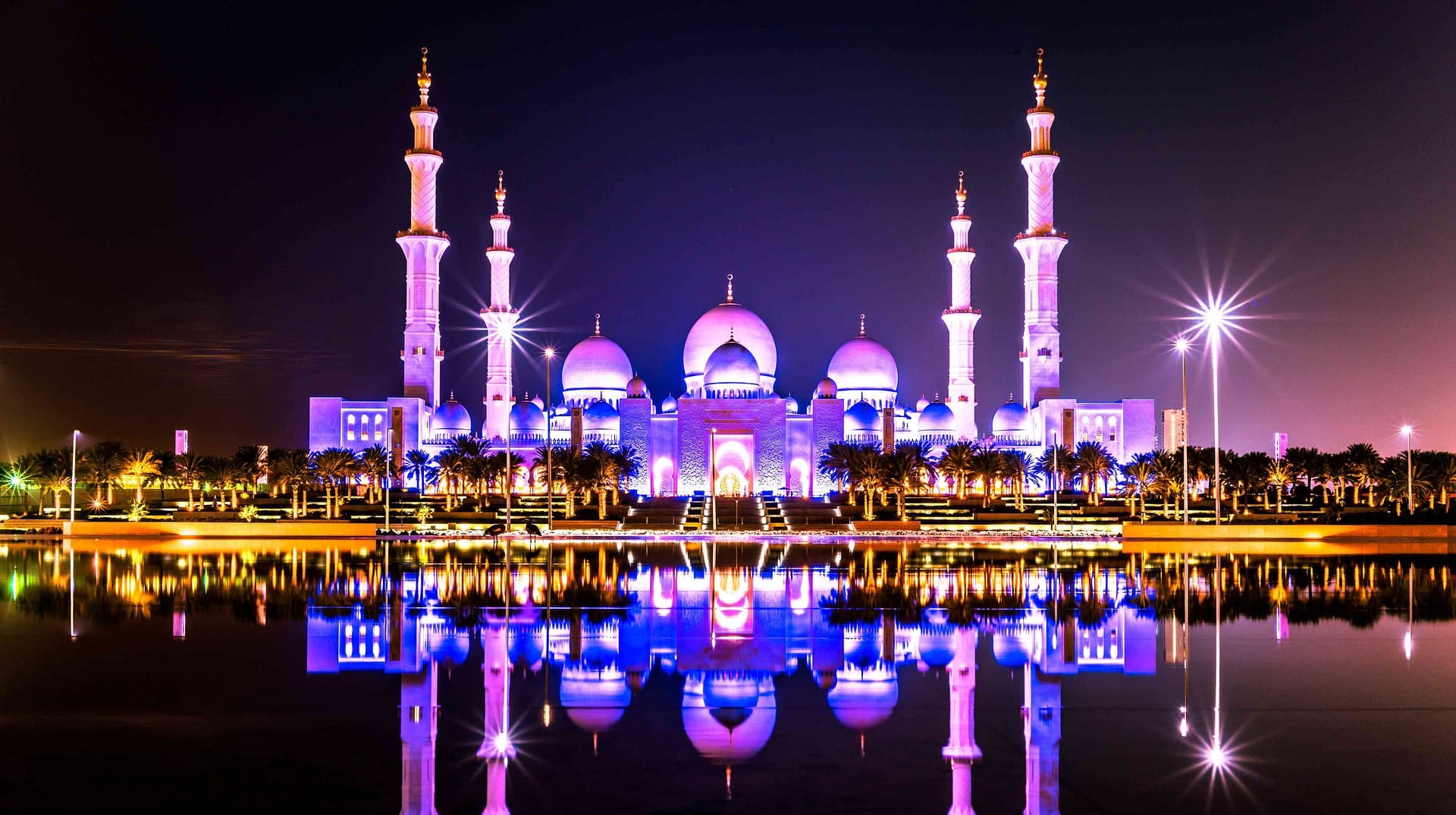
A fourth day opens up Hatta, the mountain enclave 90 minutes east of the city that most first-time visitors do not expect to be the highlight of their trip. A fifth day makes Abu Dhabi feasible as a day trip, with the Sheikh Zayed Grand Mosque and the Corniche and the Louvre all within reach from a single long day.
The Things Most First-Time Visitors Get Wrong
Sleeping in. Dubai mornings are the best part of the day for most outdoor and cultural experiences. The Old Dubai souks, Hatta, the desert at dawn, all of them are significantly better before 10 AM. Building the habit of early starts from day one changes the quality of everything that follows.
Staying only in one part of the city. The Dubai Marina and Downtown corridor is outstanding. It is also about four percent of what Dubai actually contains. The Creek is twenty minutes away. Hatta is 90 minutes. Abu Dhabi is two hours. The version of the UAE that most tourists take home is the version they would have got from a four-star hotel and a shopping mall anywhere in the world. The real version requires leaving that corridor.
Booking nothing in advance. The Burj Khalifa fills up. Desert safaris at popular operators fill up during peak season. Hatta tours need coordinating. The visitors who leave disappointed are almost always the ones who left everything to chance and found the best options unavailable when they arrived.
Underestimating the heat. Even in the supposedly mild months of November through March, midday in Dubai is genuinely hot by the standards of most Western visitors. Building midday breaks into the schedule, particularly for any outdoor activities, is not a concession. It is good planning.
What Kind of City Dubai Actually Is
Dubai is a city in a genuine hurry. It has been building itself, rebuilding itself, and reimagining itself for thirty years without slowing down. The result is a place of real contrasts that are not in tension with each other, they are the point.
A one-dirham abra crossing and a 200-dirham cocktail are both authentic Dubai experiences. The pearl diving history in the Al Fahidi museum and the helicopter tour over the Palm are both honest representations of what the place is. None of it is contradictory. It is a city that contains a very long past and a very ambitious present simultaneously, and the most rewarding way to visit it is to take both seriously rather than choosing one.
First-time visitors who approach it that way leave with something that most tourists, even repeat visitors, never quite reach. A genuine understanding of what this city is, how it got here, and why it is unlike anywhere else.
Practical Reference: Dubai in 2026
Detail | What to Know |
Best months | November through March, 18 to 28 degrees Celsius |
Currency | UAE Dirhams; cards and contactless accepted widely |
Language | English spoken throughout tourist areas |
Getting around | Metro, Careem, Uber, or guided tour with pickup |
Tipping | 10 to 15 percent in restaurants; AED 10 to 20 for guides |
Dress code | Modest in religious and traditional sites; relaxed elsewhere |
Alcohol | Available at licensed hotel venues and restaurants only |
Photography | Ask before photographing people; no government buildings |
Burj Khalifa | Book online 2 to 3 days ahead from AED 199 |
Desert safari | Evening tours from AED 149; book 24 to 48 hours ahead |
Frequently Asked Questions
Is Dubai safe for first-time visitors?
Yes, genuinely. Dubai consistently ranks among the safest cities in the world. Violent crime is extremely low, tourist areas are well monitored, English is spoken everywhere, and the infrastructure is as reliable as any Western city. The risks are logistical, unreliable operators and poor planning, rather than safety-related.
What is the best time of year to visit Dubai for the first time?
November through March offers the most comfortable conditions, with daytime temperatures between 18 and 28 degrees Celsius and very low humidity. December and January are peak months and the city is at its most alive. April and October are good shoulder options with thinner crowds and manageable temperatures.
How much money do I need per day in Dubai?
A mid-range daily budget covering accommodation, meals, transport, and one major activity sits around AED 400 to AED 700 per person. Premium experiences like private tours, high-end restaurants, and Level 148 Burj Khalifa tickets push that higher. Old Dubai, the Creek, the souks, and the fountain show are all extremely low cost or free.
Is Dubai good for solo travelers?
Very much so. The city is safe, navigable in English, and has excellent infrastructure for independent travelers. Solo female visitors specifically describe feeling safer in Dubai than in many Western cities. Group tour formats available through operators like Aureum connect solo travelers with other visitors naturally, which solves the social dimension of traveling alone.
Do I need a visa to visit Dubai?
Visa requirements depend entirely on your passport. Citizens of the UK, US, EU, Australia, and many other countries receive a visa on arrival valid for 30 days at no charge. Always verify the current requirements for your specific passport before booking.
How do I start planning a Dubai trip with Aureum Tours?
Browse the full collection of Dubai and UAE experiences, book directly online, or contact the team via WhatsApp to have a conversation about your dates, group size, and what you want the trip to feel like. That conversation takes five minutes and usually results in an itinerary better than anything you would build alone.
Dubai gives back exactly what you put into the planning. Come with curiosity, a loose itinerary, and the willingness to go a little further than the obvious, and the city will exceed every expectation you arrived with.