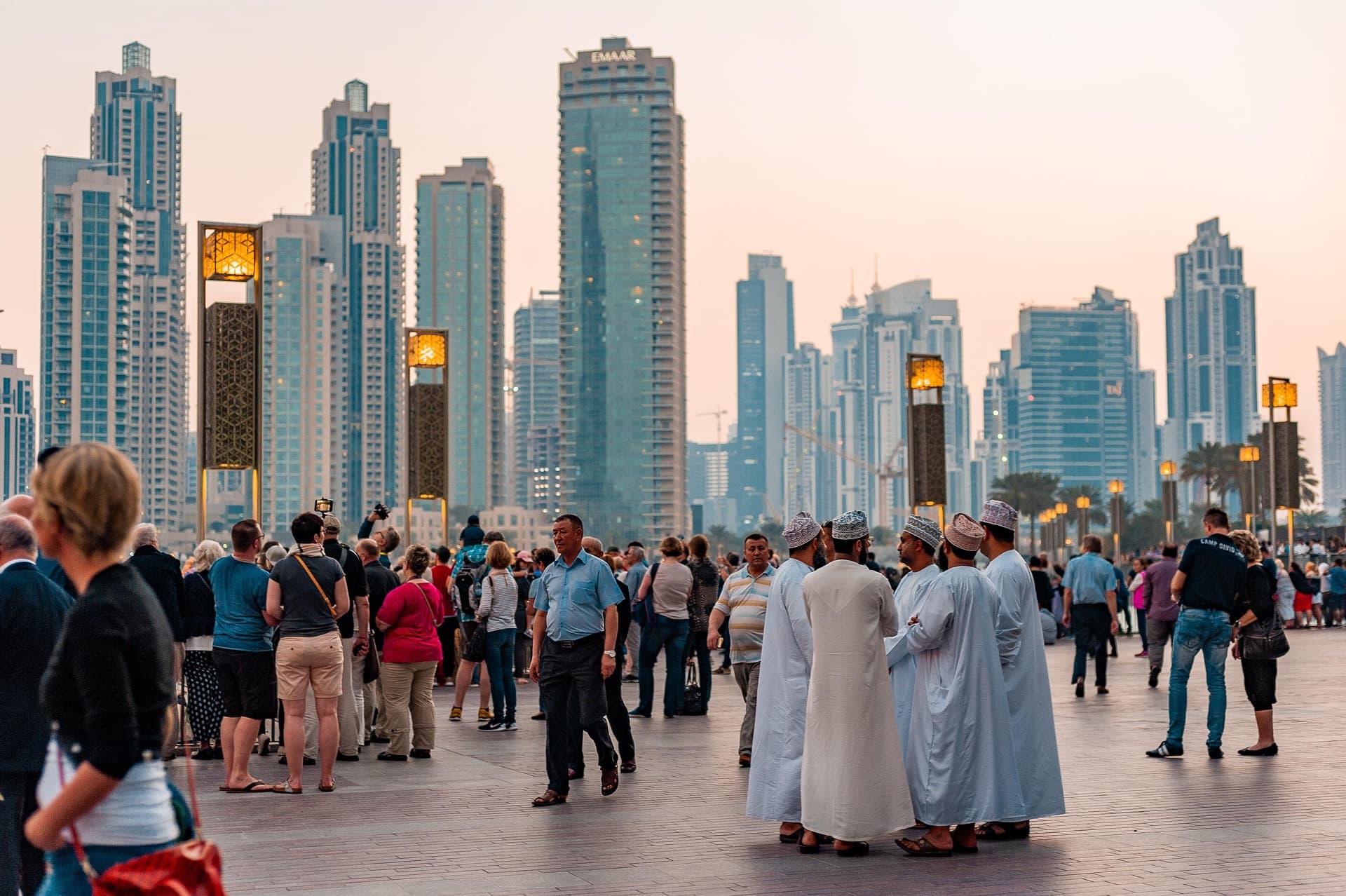
Planning your first UAE trip in 2026? This honest culture and etiquette guide covers dress codes, customs, social rules, and everything you actually need to know before landing.
Most travel guides give you a list. Dress modestly. Do not drink in public. Respect Ramadan. That is accurate, as far as it goes. But it does not go very far.
The UAE is one of the most visited countries on earth, and also one of the most consistently misunderstood by first-time visitors. Not because the culture is inaccessible. It is genuinely welcoming, more so than most countries. But there is a layer of context beneath the basic rules that changes how you experience everything, from the way a conversation with a local unfolds, to why the mosque sounds the way it does at dawn, to what hospitality actually means in this part of the world.
This guide is for travelers who want that layer. The practical rules are here. So is the reasoning behind them. Because understanding why a culture works the way it does is what separates a traveler from a tourist.
If you are planning your trip and want to book experiences that fit properly into the cultural context covered here, Aureum Tours designs every tour with cultural awareness built in. English-speaking guides, culturally informed itineraries, and a team that knows how to introduce you to the UAE in a way that feels genuine rather than staged. Browse the full tour collection or get in touch before you arrive.
The UAE is a Muslim-majority country with a deeply embedded culture of hospitality, respect, and discretion. Tourists are welcome and genuinely well-treated here. The main things to know before arriving: dress modestly in public spaces and religious sites, avoid public displays of affection, do not photograph people without permission, be aware of Ramadan timings if your visit falls during that period, and understand that the rules around alcohol are specific and clearly defined. None of this is restrictive in practice. It is contextual.
Who Actually Lives in the UAE
Before the rules, the context.
Only about 11 to 12 percent of the UAE's population are Emirati nationals. The remaining 88 to 89 percent are expatriates from over 200 countries, working and living here across every sector and income level. The country you are visiting is, in demographic terms, one of the most international places on earth.
This matters for how you experience it as a tourist. The person serving you at a restaurant is likely South Asian. The person managing your hotel may be British or Filipino or Lebanese. The engineer who designed the building you are standing in front of is probably from anywhere but the UAE. And the Emirati family you see at the mosque on Friday is the culture the entire modern nation was built to protect and express.
Understanding that layering, the global surface and the Emirati foundation underneath it, helps everything else in this guide make more sense.
The Dress Code: What It Actually Means in Practice

The formal rule is modest dress in public spaces. In practice, this means something slightly different depending on where you are.
In shopping malls, tourist areas, hotels, restaurants, and the beach, international standards largely apply. Women do not need to cover their hair in these settings. Men can wear shorts. Swimwear is appropriate at pools and designated beach areas.
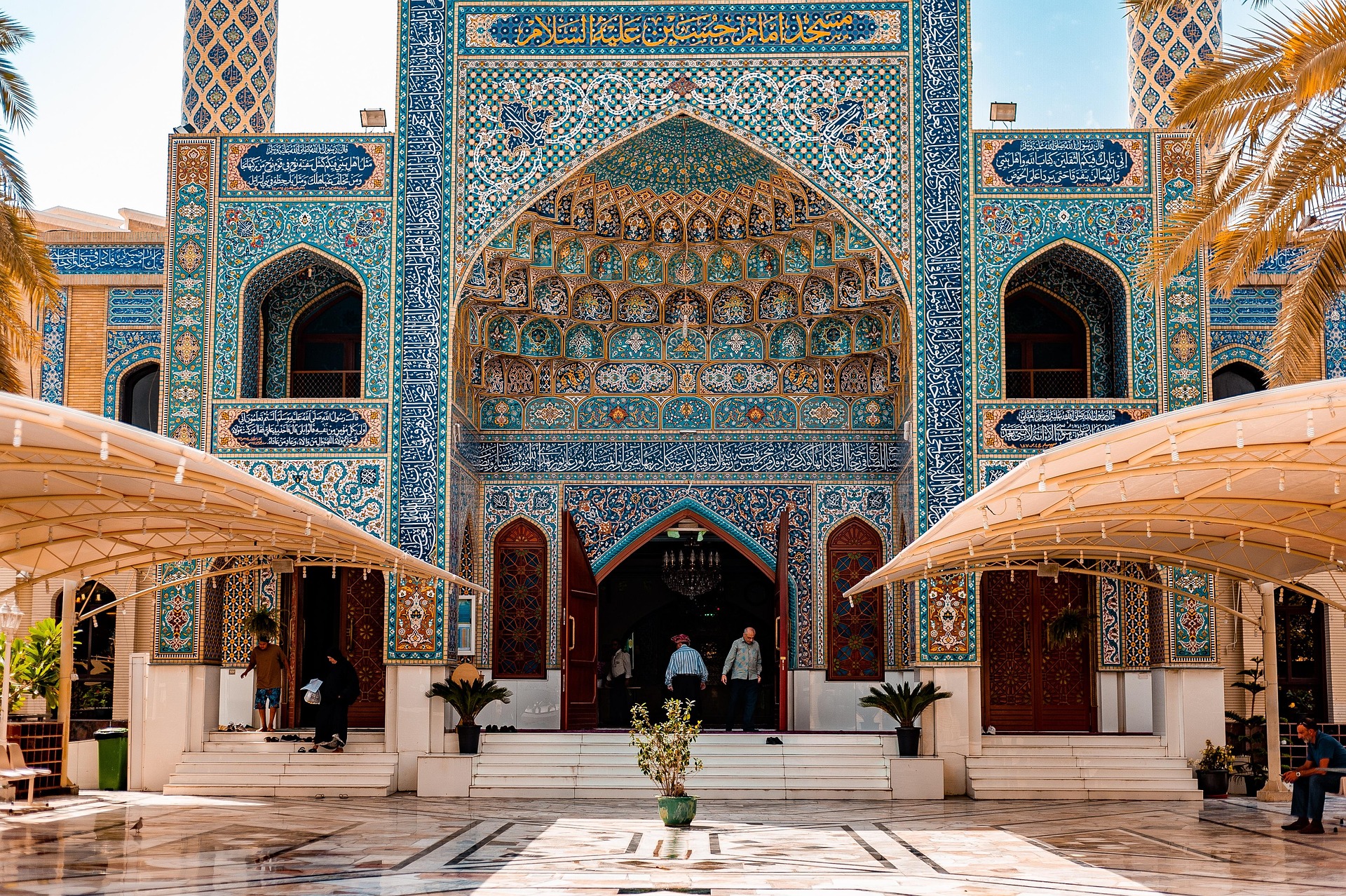
The stricter standards apply at religious sites and traditional areas like the souks. For both men and women visiting the Sheikh Zayed Grand Mosque in Abu Dhabi or the Jumeirah Mosque in Dubai, full-length clothing covering arms and legs is required. Women must also cover their hair. Abayas and headscarves are available to borrow at the entrance of both mosques if your clothing does not meet the requirement, so this is never a reason to skip the visit.
The practical guideline that covers most situations: when in doubt, opt for slightly more coverage rather than less. It is never a mistake to be overdressed for a cultural site. It can be an embarrassing one to be underdressed.
A note on the souks specifically: the Gold Souk and Spice Souk are working commercial environments, not formal religious spaces. The dress expectations there are more relaxed than at a mosque but more conservative than at a beach resort. Shorts and a t-shirt are fine. A bikini top is not.
Photography: The Rule Most Tourists Break Without Knowing It
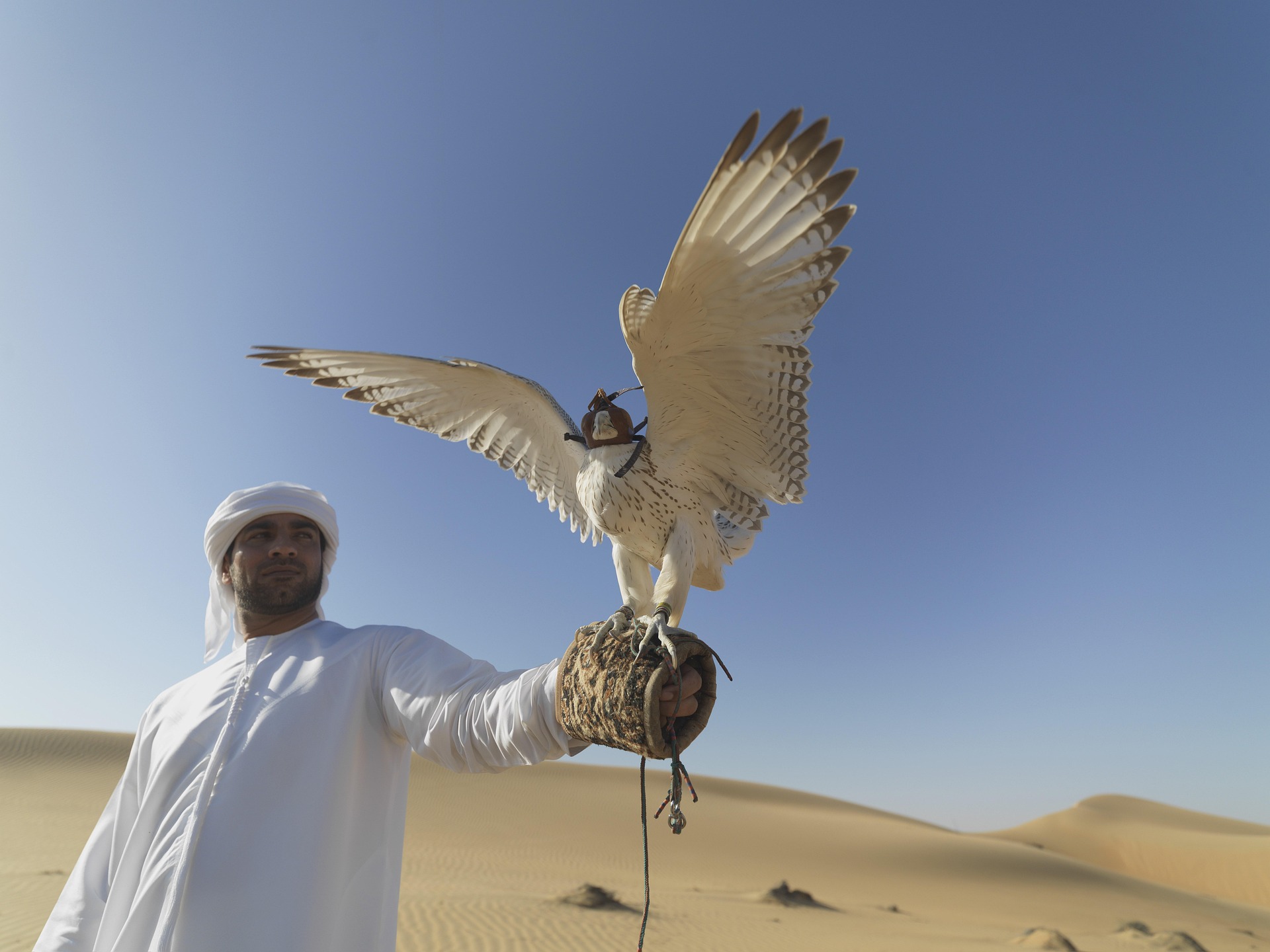
Taking photographs in the UAE requires a specific kind of awareness that is easy to develop once you know what to look for.
Government buildings, military installations, and certain infrastructure are off-limits for photography. This includes some ports, bridges, and official residences. The signage is usually clear, but when in doubt, do not photograph.
The more nuanced rule involves people. Photographing individuals without their consent is both culturally disrespectful and, in some circumstances, legally actionable in the UAE. This applies especially to Emirati women, where photographing someone without explicit permission is taken seriously. The practical habit to develop is simple: if you want to photograph a person, ask. Most people will say yes. Many will be genuinely pleased. But the asking matters.
Public spaces, architecture, skylines, markets, landscapes, these are all fine. It is the people that require consideration.
Inside mosques, photography is generally permitted in outer courtyards and public-facing areas. The main prayer hall during active prayer times is not an appropriate photography setting, even if technically accessible. Read the environment and let the moment guide you rather than treating every space as an opportunity for content.
Ramadan: What Changes and What Does Not
If your UAE visit falls during Ramadan, the experience of the country shifts in ways that are worth understanding before arrival.
Ramadan is the Islamic month of fasting, observed by the Muslim community from sunrise to sunset. During daylight hours, eating, drinking, and smoking in public are not permitted for Muslims. Non-Muslims are not required to fast but are expected to avoid doing these things in public out of respect for those who are.
In practice, this means eating and drinking inside restaurants and hotels, which remain open, rather than on the street or in public spaces. Many restaurants close during the day or open later. Alcohol availability becomes more restricted. The pace of daily life slows, particularly in the mornings.
After sunset, the city comes alive. Iftar, the breaking of the fast, is one of the most socially generous traditions in the UAE. Many hotels, restaurants, and community spaces host Iftar dinners open to everyone, often at extraordinary value and with a warmth that is genuinely different from a regular restaurant experience. Visiting during Ramadan and participating in an Iftar, if the timing works, is one of the most culturally rich experiences the UAE offers.
The dates of Ramadan shift by approximately ten days each year based on the lunar calendar. Check the projected dates before booking a trip if the cultural experience of Ramadan either attracts or concerns you.
Public Behaviour: The Specific Things That Catch Tourists Off Guard
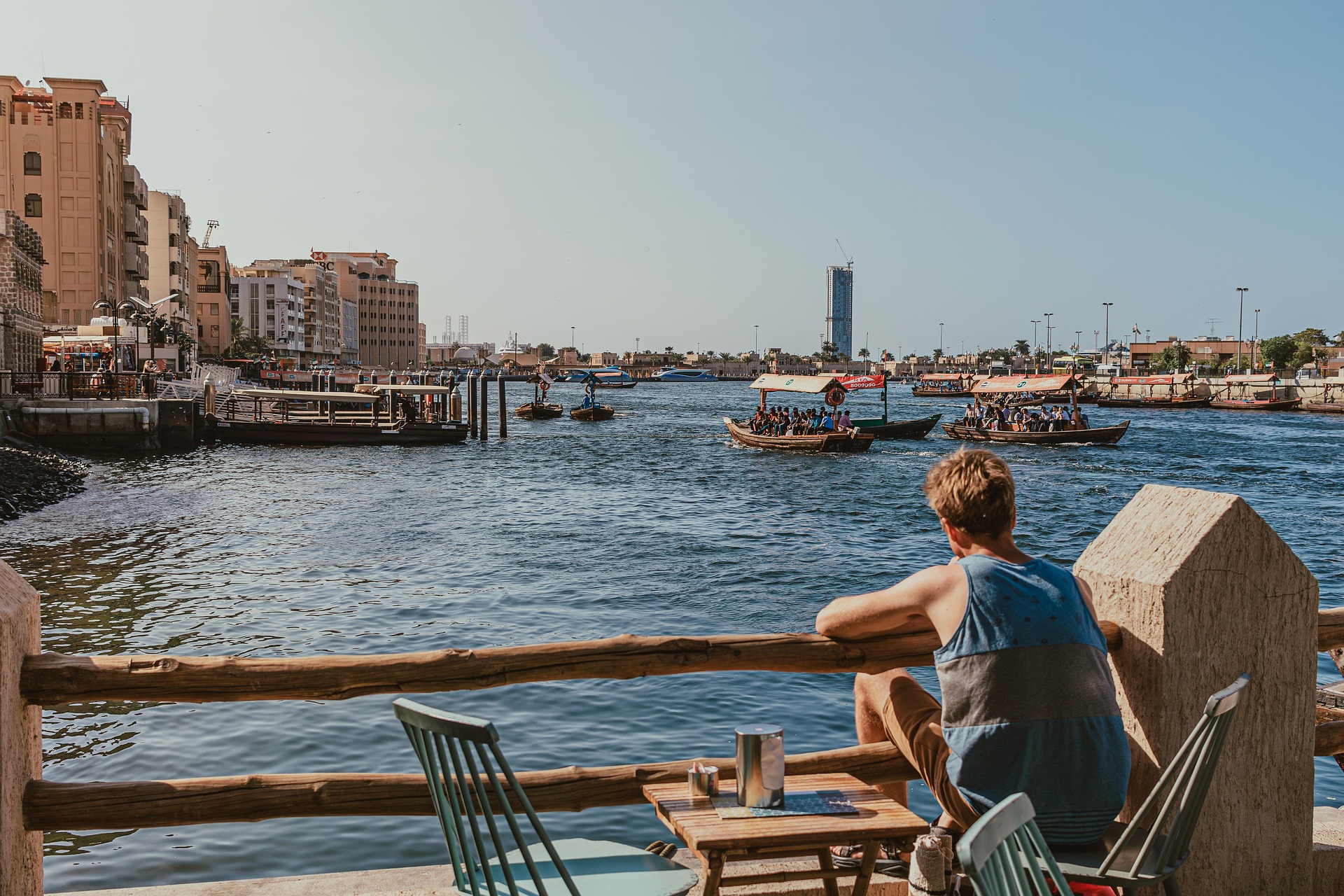
Public displays of affection are not appropriate in the UAE beyond holding hands. Kissing, embracing, or other physical affection between couples in public spaces is considered disrespectful and can, in extreme cases, result in legal consequences. This applies to both heterosexual and same-sex couples. The standard is discretion, and it is applied consistently.
Alcohol is available at licensed venues, primarily hotels, certain restaurants, and specific retail outlets. It is not available at public events, on the street, or in unlicensed establishments. Drinking in public, being visibly intoxicated in public, and driving after any alcohol consumption are all offences taken seriously by law enforcement.
Language matters more than most tourists expect. Swearing in public, raising your voice in an argument in a public space, or making rude gestures at other drivers are all considered offensive and can attract official attention. The cultural value here is composure. Losing it publicly is not an embarrassing social moment. It can have practical consequences.
Friday is the first day of the Islamic weekend. Many government offices, some shops, and cultural institutions are closed in the morning. Major attractions and tourist-focused businesses are open, but prayer time midday on Friday means significant quiet at mosques and a quieter road network for about an hour around midday prayers.
Hospitality: The Part No List Captures Properly
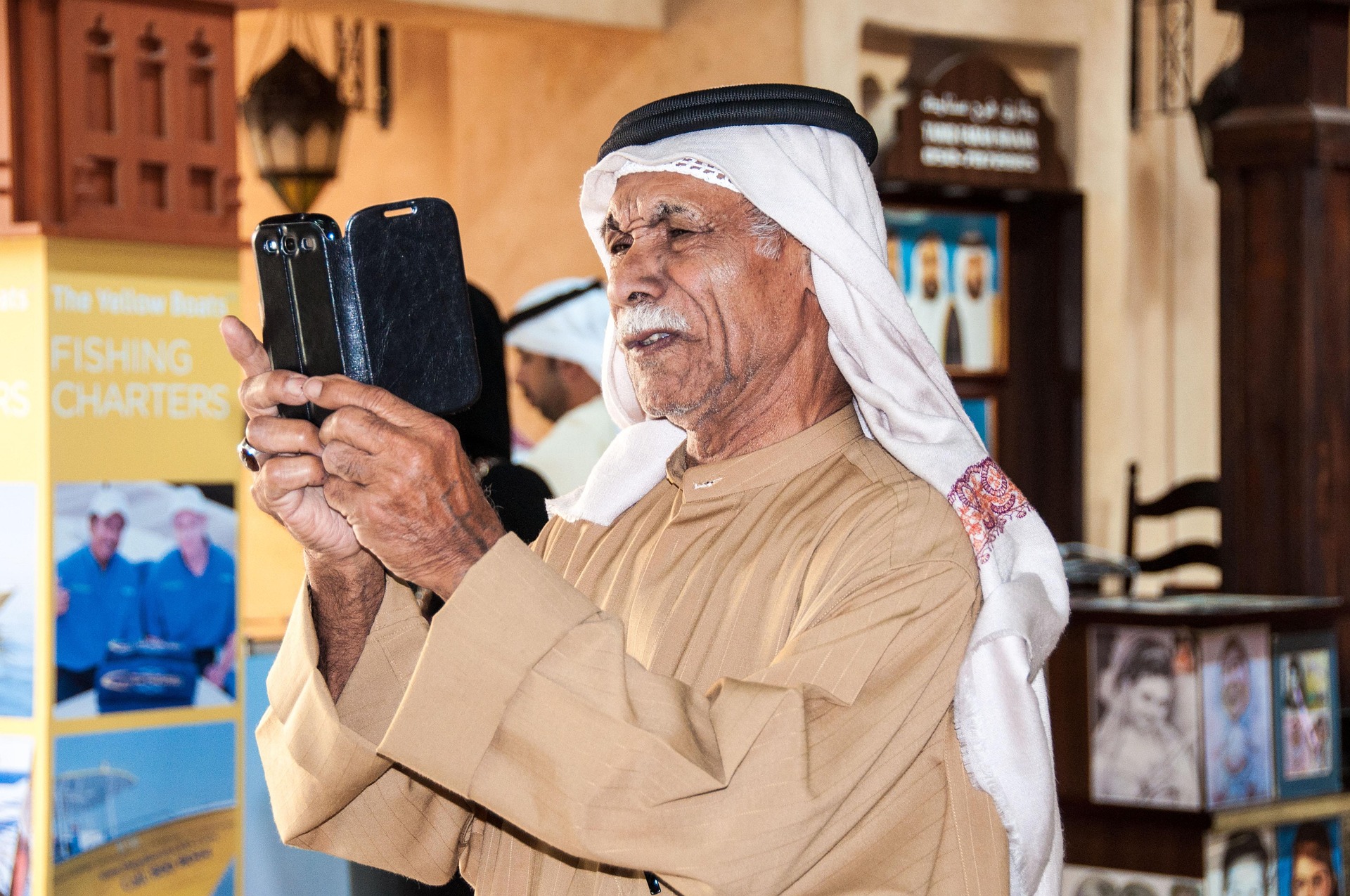
The UAE's culture of hospitality is not performative. It is structural.
In Emirati culture, the guest is treated as something close to sacred. You will be offered coffee, dates, or tea in contexts where you do not expect it, at a formal business meeting, at a heritage site, sometimes simply when speaking to a local who senses you are a visitor. The appropriate response is to accept, even just briefly, before declining a refill by tilting your cup slightly from side to side.
This hospitality extends into how tour guides, hotel staff, and service workers in the UAE tend to operate. The instinct here is to give more than was asked for. That is not customer service strategy. It is a cultural inheritance.
When you book through Aureum Tours, that hospitality is built into every interaction, from the confirmation call before your tour to the guide who adjusts the day based on what you are responding to. The Full Day Abu Dhabi Tour and the Hatta Full Day Private Tour both include guides who understand the cultural depth of what they are showing you, not just the geography.
Religion in Daily Life: What Tourists Actually Encounter

Islam is the state religion of the UAE and its presence in daily life is visible but rarely intrusive for tourists.
The Adhan, the call to prayer, sounds five times daily from mosque minarets across the country. It is not amplified to disruptive volumes in most tourist areas, but it is audible. In the early morning, before dawn, it is sometimes the sound that wakes you. That is not an accident and not an inconvenience to be complained about. It is the daily rhythm of the country you are visiting.
Prayer times affect some services. Smaller shops in traditional areas may close briefly during prayer times, particularly the midday and afternoon prayers. Major tourist attractions, malls, and hotel services are unaffected.
The Jumeirah Mosque in Dubai and the Sheikh Zayed Grand Mosque in Abu Dhabi both offer visitor programs for non-Muslims. These are genuine cultural exchanges, not performances. If understanding Islam as it is actually lived, rather than as it is usually portrayed, is something that interests you, both are worth prioritising on your itinerary.
The Sheikh Zayed Mosque Morning Tour with Aureum is the most complete way to experience the Grand Mosque in Abu Dhabi, with a guide who can contextualise what you are seeing and answer questions that a self-guided visit does not easily accommodate.
A Few Things That Surprise First-Time Visitors
The UAE is often perceived as a stricter destination than it is in practice. A few things that tend to surprise visitors arriving with cautious expectations:
The country is genuinely, actively welcoming to international tourists. The government has made significant efforts to make the visa process simple, the infrastructure tourist-friendly, and the experience of visiting as frictionless as possible.
Women traveling alone are safe. The UAE consistently ranks among the safest countries in the world for solo female travelers. Harassment is rare and the legal framework is strongly protective.
The food is extraordinary and genuinely diverse. A city where 88 percent of the population is from somewhere else has, naturally, developed one of the most varied food cultures in the world. From Emirati machboos to South Indian biriyani to Levantine mezze to high-end Japanese omakase, Dubai and Abu Dhabi eat exceptionally well.
The desert is quieter than you expect. Most tourists arrive focused on the skylines. The desert, which starts where the city ends, is one of the most genuinely peaceful environments on earth. An evening there, which the Desert Safari Evening Tour delivers, recalibrates everything.
A Summary: The Cultural Rules That Actually Matter
Situation | What to Do |
Visiting a mosque | Full-length clothing; women cover hair; remove shoes at entrance |
Eating and drinking | Fine in hotels, restaurants, and private spaces; avoid public spaces during Ramadan daytime |
Photography of people | Always ask first; never photograph Emirati women without explicit consent |
Public affection | Holding hands is fine; anything more is not appropriate in public |
Alcohol | Available at licensed hotels and venues; never in public or unlicensed spaces |
Friday mornings | Some businesses closed; allow extra time for any plans |
Receiving hospitality | Accept the coffee or tea; decline a refill by tilting the cup |
Loud public behaviour | Avoid it entirely; composure is a cultural value here |
The Cultural Context Changes the Whole Trip
Knowing the rules is the baseline. Understanding the reasoning behind them changes how you experience the country.
The UAE is not a restrictive destination wearing the costume of an open one. It is a genuinely open destination with a specific cultural foundation that it is protective of. The hospitality is real. The safety is real. The welcome for international visitors is real. What it asks in return is a baseline of awareness and respect that, once you have it, makes the entire trip feel richer and more honest.
That context is also something a great guide carries with them on every tour. At Aureum, every itinerary is built with cultural awareness in the architecture, not added at the end as a disclaimer.
Browse tours and experiences here. For the Abu Dhabi experience that gives you the deepest cultural immersion in a single day, start with the Full Day Abu Dhabi Tour. For the pre-arrival conversation about how to structure your UAE visit around your specific travel style, reach out to the team directly.
Before you go, also worth reading: the guide to what an evening desert safari actually involves and the overnight desert safari guide, both of which include cultural context specific to those experiences.
Frequently Asked Questions
Is the UAE strict for tourists in 2026?
Less strict in practice than its reputation suggests for most visitors. The rules around public behaviour, dress at religious sites, and alcohol are clear and consistently applied, but the day-to-day experience of a tourist in Dubai or Abu Dhabi is relaxed, welcoming, and genuinely comfortable. Understanding the context makes the rules feel natural rather than restrictive.
Can women travel alone safely in the UAE?
Yes. The UAE is one of the safest countries in the world for solo female travelers. Harassment is rare, the legal framework is strongly protective, and English is widely spoken across tourist areas. Solo female travelers regularly describe feeling safer in Dubai than in many Western cities.
What should I wear in Dubai as a tourist?
In hotels, tourist areas, malls, and the beach, normal international dress standards apply. At mosques and traditional market areas, full-length clothing covering arms and legs is required. Women should carry a scarf when visiting any religious site. When in doubt, more coverage is never a wrong choice.
Can I drink alcohol in Dubai?
Yes, at licensed venues including hotel bars and restaurants, certain clubs, and licensed retail outlets. Drinking in public spaces, being visibly intoxicated in public, and driving after drinking are all offences. The rules are specific and clearly defined, and sticking to licensed venues removes any ambiguity entirely.
What happens if I visit Dubai during Ramadan?
Eating, drinking, and smoking in public during daylight hours should be avoided out of respect for those fasting. Hotels and restaurants remain open. Alcohol availability is more restricted. After sunset, the city comes alive for Iftar celebrations and the atmosphere is genuinely special. Visiting during Ramadan is a different experience, not a worse one.
Is it rude to photograph things in the UAE?
Architecture, skylines, landscapes, and public spaces are generally fine to photograph. Photographing people, especially Emirati women, without explicit consent is disrespectful and in some cases legally sensitive. Government buildings and some infrastructure are off-limits. The habit of asking before photographing any person is the simplest way to stay on the right side of both law and courtesy.
How do I show respect when visiting a mosque in the UAE?
Wear full-length clothing covering arms and legs. Women must cover their hair. Remove shoes before entering the prayer hall. Speak quietly. Do not photograph during active prayer times. Follow the guidance of your guide or the mosque staff. Both the Jumeirah Mosque in Dubai and the Sheikh Zayed Grand Mosque in Abu Dhabi have visitor programs that make the experience accessible and genuinely welcoming for non-Muslim guests.
The UAE gives back what you bring to it. Arrive with curiosity, a baseline of cultural awareness, and a good guide, and the country opens up in ways most tourists never reach.Plan your UAE trip with Aureum Tours,explore available experiences, orspeak to the team before you book anything else.